

What’s the Difference Between ECG and EKG?
ECG (electrocardiogram) and EKG (Elektrokardiogram) refer to the same test used to measure the heart’s electrical activity. The difference lies in the language origin: “EKG” comes from the German abbreviation, while “ECG” is more common in English-speaking regions. Both tests provide essential information about heart rhythm, heart attacks, and other cardiac conditions. Dr. Nanda D. Ramsaroop, MD, at Northeast Primary Care ensures that patients receive clear explanations and accurate results from their ECG/EKG tests to monitor their heart health effectively. For more information, contact us or schedule an appointment online. We have convenient locations to serve you in Mineola, NY and Melville, NY.
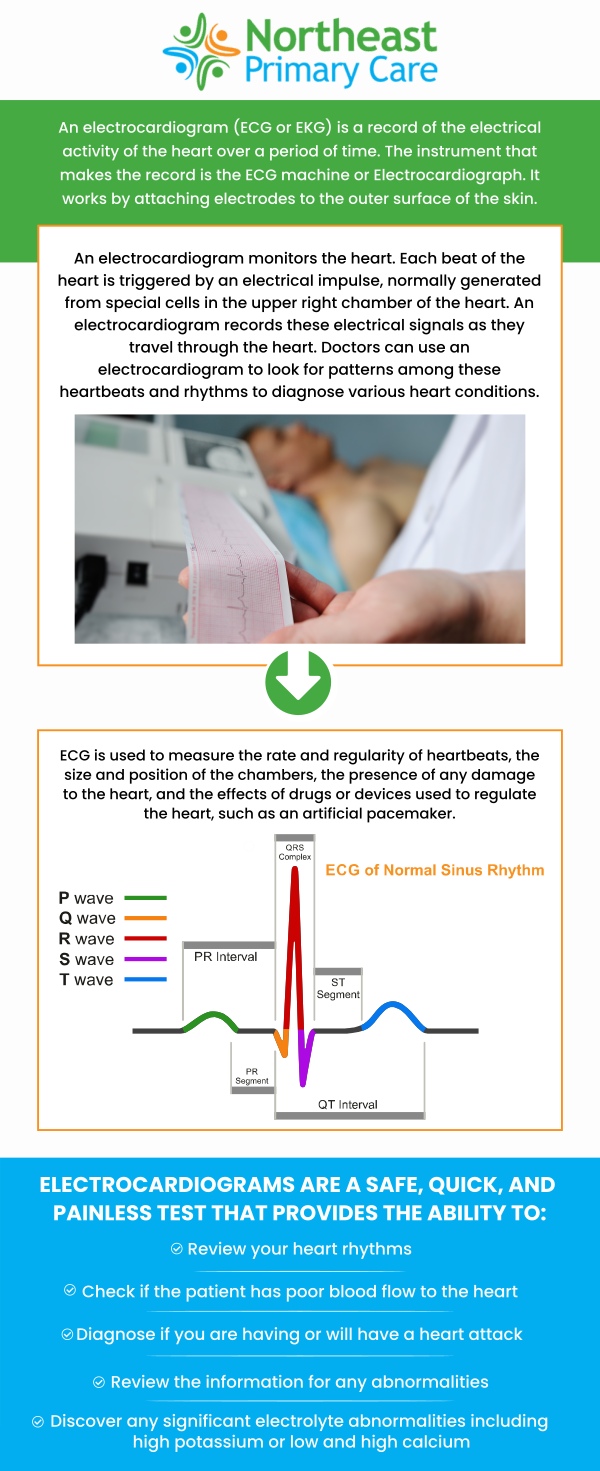
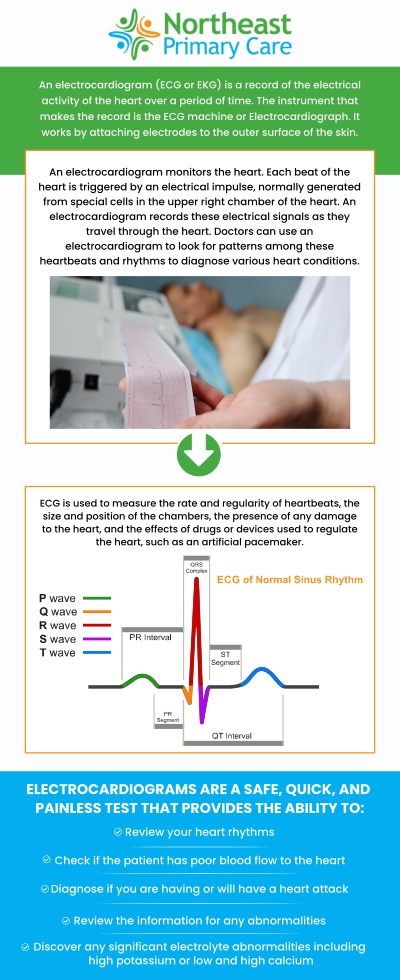
Table of Contents:
Are ECG and EKG the same test, or are they different?
When should I get an ECG or EKG?
Do the ECG test and EKG test measure the same thing?
What kind of heart problems can an EKG detect?
Understanding the Difference Between ECG and EKG with Dr. Nanda D. Ramsaroop, MD at Northeast Primary Care
At Northeast Primary Care, we frequently perform ECG (electrocardiogram) testing to monitor your heart health. ECG (electrocardiogram) and EKG (Elektrokardiogram) refer to the same test, which measures the electrical activity of the heart. The difference between the two terms lies in the origin: EKG comes from the German abbreviation “Elektrokardiogram,” while ECG is the English abbreviation for “electrocardiogram.” Despite the terminology differences, both tests are identical in purpose and function.
Both ECG and EKG tests are used to detect heart conditions such as irregular heart rhythms, heart attacks, and other issues related to the heart’s electrical activity. These tests provide valuable information about the heart’s rhythm and overall health, helping healthcare providers diagnose and manage various cardiac conditions.
An ECG/EKG at Northeast Primary Care allows our healthcare team to detect a variety of heart conditions by analyzing your heart’s electrical impulses. We use this important tool to help keep your heart healthy and to provide you with the best possible care. If you have questions about ECG/EKG testing or why it might be recommended for you, our providers are always happy to explain how it fits into your personalized care plan.
At Northeast Primary Care, we are committed to providing comprehensive heart health services for our patients. One important tool we use is the electrocardiogram, commonly known as an ECG or EKG. This simple, non-invasive test records the electrical activity of your heart and helps us detect potential heart problems early.
You should consider getting an ECG or EKG if you experience symptoms such as chest pain, palpitations, dizziness, shortness of breath, or irregular heartbeats. These tests are essential for diagnosing heart conditions like arrhythmias, heart attacks, or other issues affecting the heart’s electrical activity. If you have a history of heart disease, high blood pressure, or diabetes, an ECG or EKG may also be recommended as part of routine check-ups to monitor your heart health.
Additionally, if you’re preparing for surgery, applying for a job that requires medical clearance, or undergoing a physical exam for a commercial driver’s license (CDL), you may be required to have an ECG or EKG as part of the evaluation. These tests are also valuable for individuals with a family history of heart disease or those experiencing unexplained fatigue or swelling. At Northeast Primary Care, we offer comprehensive cardiovascular assessments to help ensure your heart health is closely monitored and managed.
At Northeast Primary Care, we often receive questions about the ECG and EKG tests. The ECG (electrocardiogram) test and the EKG (Elektrokardiogram) test measure the same thing—the electrical activity of the heart. The difference between the two terms lies in their origin: EKG comes from the German abbreviation “Elektrokardiogram,” while ECG is the English abbreviation “electrocardiogram.” Despite the difference in terminology, both tests serve the same purpose and provide crucial information about heart rhythm, heart attacks, and other cardiac conditions.
Both ECG and EKG tests are essential tools for assessing heart health, diagnosing various heart-related issues, and monitoring heart function. These tests help detect irregular heart rhythms, identify signs of heart damage, and provide important insights into the overall electrical activity of the heart.
At Northeast Primary Care, we use both ECG and EKG tests to help assess and monitor your heart health. These tests are essential in diagnosing heart conditions, managing heart disease, and ensuring overall cardiovascular well-being. If you’re concerned about your heart health or need an assessment, our team is here to provide reliable, compassionate care.
At Northeast Primary Care, your heart health is one of our top priorities. One of the key tools we use to evaluate your heart is the electrocardiogram (EKG or ECG). This noninvasive test records the heart’s electrical activity and helps our healthcare team. An EKG (electrocardiogram) can detect a variety of heart problems by measuring the electrical activity of the heart.
Here are some common heart issues that an EKG can help identify:
• Arrhythmias: EKGs can identify irregular heart rhythms, such as atrial fibrillation (AFib), ventricular tachycardia, or bradycardia (slow heart rate). These conditions can lead to inefficient blood flow and increase the risk of stroke or heart failure.
• Heart Attacks (Myocardial Infarction): An EKG can detect signs of a heart attack, both in real-time during an event or as evidence of previous heart damage. It shows abnormal patterns that indicate reduced blood flow to the heart muscle.
• Ischemia: This is a condition where the heart muscle doesn’t get enough oxygen-rich blood, often due to blocked arteries. An EKG can reveal changes in the heart’s electrical activity that suggest ischemia.
• Electrolyte Imbalances: Imbalances in electrolytes like potassium or calcium can affect the electrical activity of the heart. EKGs can detect abnormal patterns that may indicate these imbalances.
• Conduction Disorders: Conditions like bundle branch block or heart block can be identified with an EKG. These disorders affect how electrical impulses travel through the heart, potentially leading to a slower heart rate or poor coordination of heart contractions.
Dr. Nanda D. Ramsaroop, MD, at Northeast Primary Care uses EKGs to diagnose and monitor these and other heart conditions, ensuring patients receive the right treatment for their cardiovascular health. While an EKG is a valuable diagnostic tool, our providers at Northeast Primary Care combine the results with other tests and a comprehensive clinical evaluation to ensure you receive the most accurate diagnosis and personalized care plan. If you have any concerns about your heart health or have been recommended to have an EKG, our experienced team is here to support you every step of the way.
Dr. Nanda D. Ramsaroop, MD, a board-certified internal and family medicine specialist with over 28 years of experience in the medical field, provides expert care for patients aged 18 and over at Northeast Primary Care. He explains that ECG (electrocardiogram) and EKG (Elektrokardiogram) are two terms for the same test, used to measure the electrical activity of the heart. The primary difference lies in the origin of the terms—EKG comes from the German abbreviation “Elektrokardiogram,” while ECG is the English version. Despite the terminology difference, both tests serve the same function and provide essential insights into heart rhythm, potential heart attacks, and other cardiovascular conditions.
With his extensive experience, Dr. Ramsaroop utilizes both ECG and EKG to assess and monitor heart health, ensuring patients receive accurate, personalized care. These tests are crucial for diagnosing irregular heart rhythms, detecting heart disease, and understanding the heart’s electrical function. Dr. Ramsaroop is committed to delivering comprehensive cardiovascular care, using these tests to guide treatment plans and proactively address any heart-related concerns in his patients.
For more information, contact us or schedule an appointment online. We have convenient locations to serve you in Mineola, NY and Melville, NY. We serve patients from Mineola NY, Melville NY, Jericho NY, Floral Park NY, East Meadow NY, Westbury NY, Huntington NY, Plainview NY, Levittown NY, and surrounding areas.

Check Out Our 5 Star Reviews


Additional Services You May Need

Additional Services You May Need
- Annual Physical Exam
- CDL (Commercial Driver License)
- Acute & Chronic Illness
- Covid 19
- EKG
- Healthy Aging
- Immigration Physical Exams
- Primary Care
- Preventive Care
- Diet and Nutrition
- General Care
- Management Of Diabetes
- Medical Clearance
- Pre-Employment Physicals
- Sick Visits
- STD Testing
- Women’s Health
- Drug Testing
- Internal Medicine Doctor
- Vaccines and Flu Shots
- Allergy Testing
- Spirometry


 Send Text
 How May I Help You?