

COVID Testing Clinic in Melville, NY
At Northeast Primary Care, we provide COVID-19 testing and patient-focused medical guidance to help individuals make informed decisions about their health. Whether you are experiencing symptoms, have been exposed to the virus, or have concerns about a possible infection, our professional medical team emphasizes timely evaluation, appropriate testing, and accurate interpretation of results. We prioritize patient safety by providing guidance on infection prevention, recommended precautions, and recognizing symptoms that may require further medical attention. Our goal is to help patients understand their health concerns, reduce the risk of transmission, and receive appropriate care based on their individual needs. Contact us today for more information or schedule an appointment. We are conveniently located at 150 Broadhollow Rd, Suite 120-A, Melville, NY 11747.
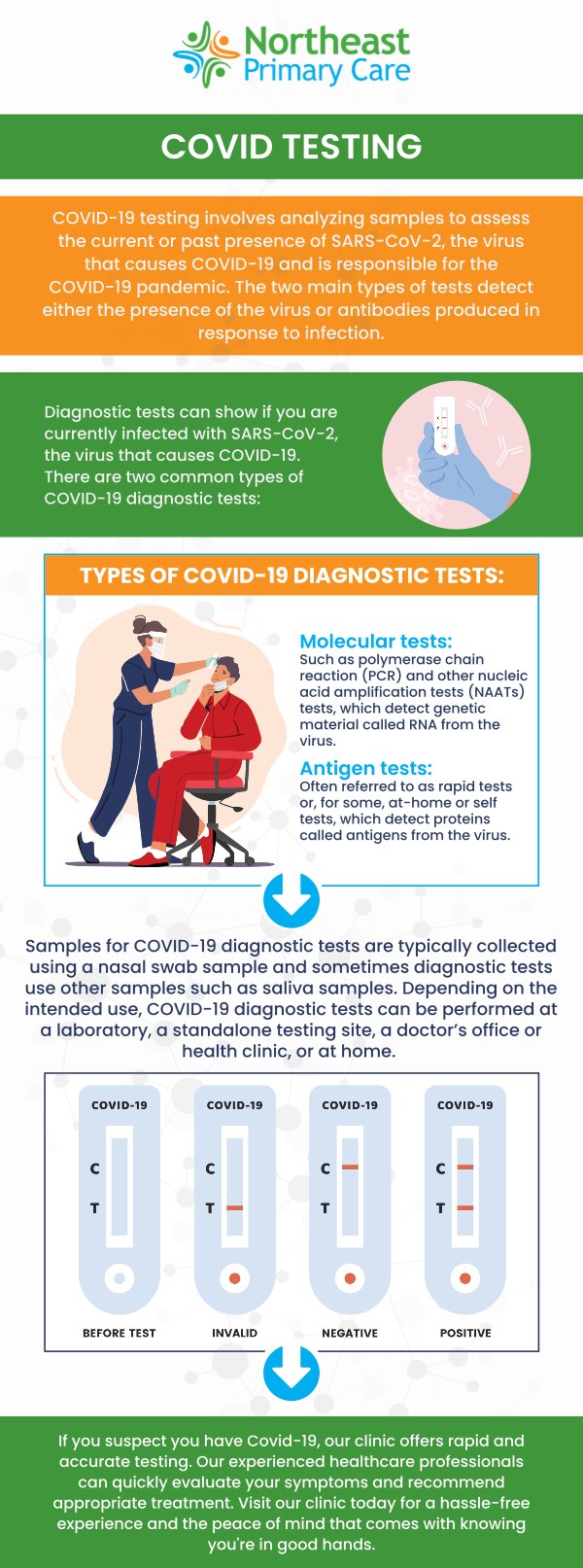
Table of Contents:
When should I get tested for COVID-19?
What are the symptoms of COVID-19?
What is the difference between rapid antigen testing and PCR testing?
How accurate are COVID-19 tests, and what do the results mean?
Can I get tested for COVID-19 after exposure if I have no symptoms?
What precautions should I take before visiting a COVID-19 testing clinic?
What should I do if I test positive for COVID-19?
What should I do if my COVID-19 test is negative but I still have symptoms?
Who is at increased risk of severe COVID-19?
Are there contraindications or special precautions for COVID-19 testing and treatment?
How can I reduce my risk of COVID-19 infection?
Understanding conflicting COVID-19 testing and safety guidance
Schedule COVID-19 testing in Melville, NY
Medical references
COVID-19 testing may be appropriate if you develop symptoms, have been exposed to someone with COVID-19, or need to assess your risk before spending time with someone who is more vulnerable to severe illness. Testing may also be recommended for certain healthcare, workplace, or other screening requirements.
If you develop symptoms consistent with COVID-19, test promptly. If you have no symptoms after a known exposure, current FDA guidance recommends waiting at least five full days after exposure before testing. Testing too early may produce a negative result even when an infection is developing.
If an at-home antigen test is negative, repeat testing is important. People with symptoms should complete at least two tests in total, with the second test performed 48 hours after the first. People without symptoms should complete at least three tests over five days, testing 48 hours apart, according to FDA recommendations and the test’s instructions.
Testing may be especially important for people at increased risk of severe illness because an early diagnosis can support timely treatment decisions. However, testing is not necessary for every person in every circumstance. Your symptoms, exposure history, recent infection, medical risk factors, and reason for testing all influence the appropriate approach.
COVID-19 symptoms range from mild respiratory complaints to severe illness. Symptoms may appear 2–14 days after exposure and can resemble those of influenza, the common cold, and other respiratory infections.
Common symptoms include:
• Fever or chills
• Cough
• Sore throat
• Nasal congestion or a runny nose
• Shortness of breath or difficulty breathing
• Fatigue or unusual tiredness
• Headache
• Muscle or body aches
• New loss of taste or smell
• Nausea or vomiting
• Diarrhea
Not everyone experiences every symptom. Some people develop very mild illness or have no noticeable symptoms, while others experience complications requiring medical care. The absence of fever, loss of taste or smell, or another individual symptom does not rule out COVID-19. Symptoms alone cannot reliably distinguish COVID-19 from influenza or other respiratory illnesses. Testing and clinical evaluation may be appropriate when the diagnosis is uncertain or when the result could affect treatment decisions.
When to seek emergency care: Call 911 for trouble breathing, persistent chest pain or pressure, new confusion, inability to wake or remain awake, or pale, gray, or blue discoloration of the skin, lips, or nail beds, depending on skin tone. Do not delay emergency care while waiting for a test result.
COVID-19 tests differ in how they detect SARS-CoV-2, the virus that causes COVID-19. The two principal categories of viral diagnostic tests are antigen tests and molecular tests, including polymerase chain reaction (PCR) tests.
• Rapid antigen tests: These tests detect viral proteins and generally provide results quickly. They are convenient for assessing possible infection, but they are less sensitive than molecular tests in many circumstances. An antigen test may not detect an infection early in its course or when viral levels are low.
• PCR and other molecular tests: Nucleic acid amplification tests (NAATs), including PCR tests, detect the virus’s genetic material. They are generally more sensitive than antigen tests and may be useful when symptoms persist despite a negative antigen result or when a more sensitive result is important for clinical decision-making.
The appropriate test depends on symptoms, timing of exposure, previous infection, medical risk, and the purpose of testing. A healthcare professional can help determine the most suitable approach. A more sensitive test is not necessarily more informative in every circumstance. For example, molecular tests can remain positive after a previous infection, making it important to consider recent COVID-19 history when interpreting a result.
No COVID-19 test is perfect. Accuracy depends on the test method, timing, specimen collection, and stage of infection. Understanding the limitations of each result helps prevent false reassurance and unnecessary testing.
• If your antigen test is positive: A positive result generally indicates COVID-19 infection. False-positive results can occur, although their likelihood depends on the test and the circumstances in which it is used. If a result is unexpected or inconsistent with your symptoms and exposure history, consult a healthcare professional about whether repeat or confirmatory molecular testing is appropriate. PCR confirmation is not routinely necessary for every positive antigen result.
• If your antigen test is negative: A negative result means the test did not detect the virus in the specimen. It does not completely rule out infection, particularly early in an illness or after a recent exposure. Follow FDA repeat-testing recommendations rather than relying on a single negative antigen result.
• If your symptoms continue despite a negative result: Repeat testing or molecular testing may be appropriate. A healthcare professional may also evaluate you for influenza, RSV, or another condition that can produce similar symptoms.
• If you recently had COVID-19: Some molecular tests can remain positive for up to 90 days after an infection. A positive result during this period does not automatically establish a new infection. Reinfection is possible, however, and the appropriate testing method depends on when the previous infection occurred and whether new symptoms have developed.
Antibody tests are different from viral diagnostic tests. They detect antibodies produced by the immune system and should not be used to diagnose a current COVID-19 infection.
Yes. Testing after exposure may help identify an infection before symptoms appear, particularly when you or someone you will be around is at increased risk of severe illness.
If you have no symptoms, wait at least five full days after exposure before taking an at-home antigen test. If the result is negative, repeat testing 48 hours later and again after another 48 hours, following FDA recommendations.
If symptoms develop at any point, test promptly rather than waiting until day five. A negative antigen result does not exclude infection, so repeat testing or molecular testing may be appropriate when clinical concerns remain.
If you have tested positive within the past 90 days, the timing of the previous infection matters. For people who tested positive within the past 30 days, testing is generally not recommended to detect a new infection when no symptoms are present. If symptoms develop, antigen testing may be appropriate. Between 31 and 90 days after a previous positive result, antigen testing is generally preferred when testing is indicated because molecular tests can remain positive after the original infection.
Continue appropriate precautions after exposure, particularly before close contact with older adults, immunocompromised individuals, or others at increased risk of severe illness.
Precautions before and during a clinic visit can help protect other patients, healthcare personnel, and the wider community.
If you have respiratory symptoms or have tested positive, contact the clinic before arriving and follow its instructions. Consider the following measures:
• Wear a well-fitting mask around others when you have symptoms or may be contagious.
• Practice hand hygiene and cover coughs and sneezes.
• Avoid close contact with people at increased risk of severe illness.
• Follow the test manufacturer’s instructions carefully if using an at-home test.
• Tell your healthcare professional about recent symptoms, exposure, previous positive results, relevant medical conditions, and medications.
• Do not rely on a single negative antigen test to conclude that you cannot transmit the virus.
If you develop severe symptoms, seek emergency care instead of waiting for a routine testing appointment.
A positive result generally indicates that SARS-CoV-2 has been detected. If you test positive, monitor your symptoms, take precautions to reduce transmission, and seek medical advice when appropriate.
If you have respiratory symptoms, CDC guidance recommends staying home and away from others until both of the following have been true for at least 24 hours:
• Your symptoms are improving overall.
• You have been fever-free without using fever-reducing medication.
After returning to normal activities, take additional precautions for the next five days. These may include wearing a well-fitting mask, improving indoor ventilation, practicing good hygiene, maintaining distance from others, and considering testing before contact with people at increased risk of severe illness.
If you test positive but never develop symptoms, take additional precautions for five days to reduce the likelihood of spreading infection. Some people, particularly those who are immunocompromised, may remain contagious for longer and may need individualized medical advice.
Seek prompt medical evaluation if you are older, immunocompromised, or have underlying medical conditions that increase your risk of severe illness. Eligible patients may benefit from antiviral treatment, but treatment must begin within a limited window after symptoms start. Do not wait for symptoms to become severe before asking about treatment.
A negative test does not always mean that COVID-19 is absent. Antigen tests can miss infections when viral levels are low or a specimen is collected early in the illness.
If you have symptoms and receive a negative antigen result, repeat the test after 48 hours. If subsequent results remain negative but symptoms persist, a healthcare professional may recommend molecular testing or evaluation for another respiratory illness.
COVID-19, influenza, RSV, and other conditions can produce overlapping symptoms. A COVID-19 test alone does not identify these other illnesses unless a test specifically designed to detect multiple pathogens is used.
Continue precautions while you are sick. Stay home when appropriate, avoid close contact with vulnerable people, and seek medical advice if symptoms worsen or do not improve as expected. Emergency warning signs, including difficulty breathing or persistent chest pain, require immediate medical attention regardless of the test result.
Although anyone can develop COVID-19, certain people are more likely to experience severe illness, hospitalization, or complications.
Risk factors include:
• Older age, particularly over 65, with risk increasing further at older ages.
• Immunocompromising conditions or medications that suppress the immune system.
• Certain chronic medical conditions.
• Multiple underlying medical conditions.
• Other individual risk factors identified during a clinical assessment.
Risk is not determined by age or a single diagnosis alone. A healthcare professional should consider your medical history, medications, immune status, and overall health.
If you are at increased risk and develop symptoms, contact a healthcare professional promptly. Early evaluation can help determine whether testing, supportive care, or antiviral treatment is appropriate.
COVID-19 testing and treatment involve different safety considerations. A test result helps assess infection, while medication decisions require a separate evaluation of potential benefits, risks, and contraindications.
• Testing considerations: Follow the instructions for the specific test, including age eligibility, specimen collection, timing, and interpretation. A test should not replace a clinical assessment when symptoms are severe or concerning. Antibody tests should not be used to diagnose current infection.
• Antiviral treatment considerations: Antiviral medication is not appropriate for everyone with COVID-19. A clinician must assess factors such as age, risk of severe disease, kidney and liver function where relevant, pregnancy status when applicable, and potential medication interactions.
Do not stop prescribed medication, change a dose, or take leftover antiviral medication without professional guidance. Treatment decisions should be individualized rather than based on a positive test alone. For eligible patients, some treatments must begin within five days of symptom onset, while intravenous remdesivir can be initiated within seven days. Prompt evaluation is important because waiting for symptoms to become severe may cause patients to miss the treatment window.
No single preventive measure eliminates the risk of infection. Combining practical precautions can help reduce the likelihood of contracting or spreading COVID-19.
• Vaccination: Follow the current COVID-19 vaccination recommendations that apply to your age, health status, immune status, and vaccination history.
• Cleaner indoor air: Improve ventilation and consider suitable air filtration when possible.
• Good hygiene: Wash your hands regularly and cover coughs and sneezes.
• Masking: Consider a well-fitting mask in crowded indoor environments, during periods of increased respiratory virus activity, or when protecting someone at increased risk.
• Staying home when sick: Avoid close contact with others until you meet current symptom-based guidance for returning to normal activities.
• Appropriate testing: Test when indicated and follow repeat-testing recommendations after a negative antigen result.
CDC guidance recommends COVID-19 vaccination for adults aged 18 and older and for children aged 6 months through 17 years with moderate-to-severe immunocompromise. For other children in that age group, vaccination is recommended through shared clinical decision-making between parents or guardians and healthcare professionals. The recommended vaccine and number of doses depend on age, vaccination history, and immune status.
COVID-19 recommendations may appear contradictory when they address different tests, stages of infection, or clinical circumstances. Understanding these distinctions helps patients make safer decisions.
• A negative test does not always mean you are uninfected. Antigen tests can miss an infection early in its course. Repeat testing or molecular testing may be appropriate, depending on symptoms and clinical circumstances.
• A positive antigen test does not always require PCR confirmation. Most positive antigen results indicate infection. Confirmatory testing may be considered when the result is unexpected or conflicts with the clinical picture, but routine confirmation of every positive result is not necessary.
• A positive PCR result does not always mean a new infection. Molecular tests can remain positive for up to 90 days after an earlier infection. Recent infection history and current symptoms help determine the appropriate testing approach.
• A fixed five-day isolation period is not the general CDC community recommendation. Current CDC guidance for respiratory illnesses uses symptom improvement and fever resolution to guide the return to normal activities, followed by five days of additional precautions. Healthcare facilities may have separate infection-control requirements.
• Testing and vaccination serve different purposes. Testing helps identify a current infection, while vaccination helps prevent severe disease. Neither replaces appropriate medical evaluation when symptoms or risk factors warrant it.
• Treatment eligibility is different from testing eligibility. A positive result does not automatically mean that antiviral medication is indicated. A healthcare professional must assess risk factors, timing, contraindications, and potential drug interactions.
For the most accurate decisions, follow the current guidance that applies to your particular situation rather than relying on a single general rule.
At Northeast Primary Care in Melville, NY, our skilled team is committed to providing patient-centered COVID-19 testing and guidance to help individuals make informed decisions about their health. Whether you are experiencing symptoms, have recently been exposed to COVID-19, or need testing for personal or medical reasons, our healthcare professionals can help you understand appropriate testing considerations, interpret results, and determine when additional medical evaluation may be necessary.
Patient safety is a priority at Northeast Primary Care. Our team emphasizes appropriate precautions, early identification of concerning symptoms, and individualized guidance based on each patient’s health needs and risk factors. We encourage patients to seek prompt medical attention for worsening symptoms and emergency care for serious warning signs. For more information, contact us or schedule an appointment. We are conveniently located at 150 Broadhollow Rd, Suite 120-A, Melville, NY 11747. We serve patients from Melville NY, Huntington NY, Farmingdale NY, Commack NY, Deer Pack NY, and Lindenhurst NY.
The following official resources support the patient education content on this page:
CDC — Testing for COVID-19
CDC — Symptoms of COVID-19
CDC — Outpatient COVID-19 Treatment
CDC — Preventing Spread of Respiratory Viruses When You’re Sick
CDC — COVID-19 Vaccination Guidance
FDA — Understanding At-Home COVID-19 Antigen Diagnostic Test Results
FDA — At-Home COVID-19 Diagnostic Tests

Check Out Our 5 Star Reviews


Additional Services You May Need

Additional Services You May Need
- Annual Physical Exam
- CDL (Commercial Driver License)
- Acute & Chronic Illness
- Covid 19
- EKG
- Healthy Aging
- Immigration Physical Exams
- Primary Care
- Preventive Care
- Diet and Nutrition
- General Care
- Management Of Diabetes
- Medical Clearance
- Pre-Employment Physicals
- Sick Visits
- STD Testing
- Women’s Health
- Drug Testing
- Internal Medicine Doctor
- Vaccines and Flu Shots
- Allergy Testing
- Spirometry


 Send Text
 How May I Help You?