

What Is the Difference Between HDL Cholesterol and LDL Cholesterol?
At Northeast Primary Care, our professional medical team helps patients understand the differences between HDL (high-density lipoprotein) and LDL (low-density lipoprotein) cholesterol and how these affect cardiovascular health. HDL (good cholesterol) helps remove excess cholesterol from the bloodstream, while high LDL (bad cholesterol) levels can cause plaque buildup in arteries, increasing the risk of heart disease and stroke. Our team provides personalized cholesterol screenings, cardiovascular risk assessments, and preventive care recommendations based on each patient’s health needs. Contact us today for more information or schedule an appointment. We are conveniently located at 150 Broadhollow Rd, Suite 120-A, Melville, NY 11747.
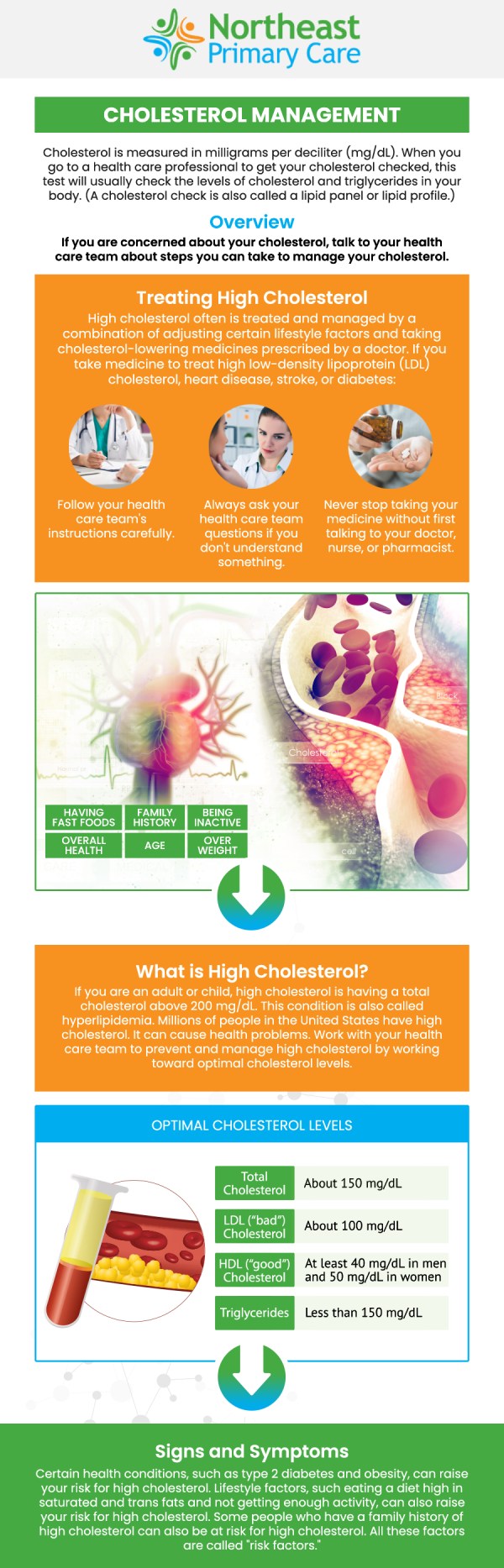
Table of Contents:
What are HDL and LDL cholesterol, and how do they affect heart health?
What is the main difference between HDL cholesterol and LDL cholesterol?
What are considered healthy HDL and LDL cholesterol levels for adults?
How can lifestyle changes help improve HDL cholesterol and lower LDL cholesterol?
Why is HDL called good cholesterol and LDL called bad cholesterol?
Can someone have high HDL cholesterol and high LDL cholesterol at the same time?
What foods help increase HDL cholesterol and reduce LDL cholesterol?
How often should HDL and LDL cholesterol levels be checked?
Know Your Cholesterol Numbers: Discover How HDL and LDL Affect Heart Health with Our Team at Northeast Primary Care in Melville, NY
What are HDL and LDL cholesterol, and how do they affect heart health?
Cholesterol moves through your bloodstream in the form of two primary lipoproteins: high-density lipoprotein (HDL) and low-density lipoprotein (LDL). Often called “good” cholesterol, HDL safeguards your heart by transporting excess cholesterol back to your liver so it can be eliminated. In contrast, LDL is commonly referred to as “bad” cholesterol because excessive amounts can cause fatty deposits to accumulate in artery walls. Although LDL plays an essential role in transporting cholesterol to cells, elevated levels can narrow arteries and increase the risk of heart disease and stroke.
Balancing these numbers is essential for optimal cardiovascular health. Although a high HDL level is beneficial, it does not neutralize the dangers of elevated LDL. Because of this, keeping your LDL levels low remains the primary focus of cholesterol management. It is also important to remember that overall heart health is heavily influenced by variables like blood pressure, diabetes, smoking, genetics, and daily habits.
At Northeast Primary Care in Melville, NY, our medical professionals are here to help you make sense of your cholesterol panel and evaluate your cardiovascular risk. We offer individualized screenings, preventive evaluations, and expert advice on heart-healthy habits to empower you in managing your cholesterol and protecting your long-term heart health.
What is the main difference between HDL cholesterol and LDL cholesterol?
Our team at Northeast Primary Care in Melville, NY, assists patients in comprehending the distinctions between HDL and LDL cholesterol and how they affect cardiovascular health:
• HDL (Good Cholesterol): High-density lipoprotein clears excess cholesterol from the bloodstream, carrying it to the liver for removal. While higher HDL is generally tied to a lower cardiovascular risk, it does not guarantee total protection.
• LDL (Bad Cholesterol): Elevated levels of low-density lipoprotein (LDL) cholesterol can lead to fatty deposits accumulating along artery walls, narrowing blood vessels and increasing the likelihood of heart attacks and strokes.
• Heart Health Impact: Lowering elevated LDL is the top priority for cardiovascular disease prevention. High HDL cannot cancel out the risks associated with high LDL.
• Other Risk Factors: Age, family history, blood pressure, diabetes, smoking, and lifestyle choices also heavily influence your cholesterol management and overall risk.
Our team at Northeast Primary Care reviews your cholesterol results alongside individual health risks to provide personalized guidance on nutrition, physical activity, screening, and long-term preventive care, supporting healthier decisions for lifelong heart health.
What are considered healthy HDL and LDL cholesterol levels for adults?
Evaluating your cardiovascular health requires looking closely at both your “good” and “bad” cholesterol numbers.
Low-density lipoprotein (LDL), the “bad” cholesterol, can accumulate in your arteries and increase your chances of experiencing a heart attack or stroke. For most adults, LDL numbers fall into these standard classifications:
| LDL Cholesterol Level | General Classification |
| Below 100 mg/dL | Optimal |
| 100–129 mg/dL | Near optimal |
| 130–159 mg/dL | Borderline high |
| 160–189 mg/dL | High |
| 190 mg/dL or above | Very high |
If your LDL reaches 190 mg/dL or higher, immediate medical evaluation is necessary to check for genetic or inherited cholesterol conditions.
High-density lipoprotein (HDL) serves as your “good” cholesterol by clearing excess cholesterol from your bloodstream. Healthy HDL targets depend on biological sex, and levels are considered concerningly low if they drop:
• Below 40 mg/dL in men
• Below 50 mg/dL in women
While reaching an HDL of 60 mg/dL or higher is ideal for cardiovascular protection, it does not neutralize the threat of high LDL. At Northeast Primary Care, our primary care providers are available to help you interpret these numbers in the context of your personal health history.
Maintaining balanced cholesterol levels plays a critical role in protecting your heart and preventing cardiovascular complications. At Northeast Primary Care, our dedicated team helps patients understand the connection between everyday habits and cholesterol management. Because HDL supports the removal of excess cholesterol while high LDL causes fatty arterial deposits, adopting heart-healthy habits can profoundly improve your numbers and lower your risk of cardiovascular events.
Lifestyle changes that support healthy cholesterol levels include:
• Choose Healthier Fats: Swap saturated fats found in red meat, butter, and full-fat dairy for unsaturated options like olive oil, avocados, almonds, walnuts, and fish to help manage LDL.
• Increase Soluble Fiber: Add oats, beans, lentils, barley, apples, and citrus fruits to your diet. Soluble fiber helps block cholesterol absorption in the digestive tract.
• Exercise Regularly: Aim for at least 150 minutes of moderate-intensity activity—such as brisk walking, swimming, or cycling—each week to boost your HDL and maintain cardiovascular fitness.
• Manage Your Weight: Achieving and maintaining a healthy weight through gradual, sustainable loss can positively influence your HDL, LDL, and triglyceride levels.
• Quit Smoking: Eliminating tobacco use directly improves HDL levels, strengthens your arteries, and enhances overall blood circulation.
• Limit Alcohol Intake: Restricting alcohol consumption keeps triglycerides in check and supports overall wellness. Alcohol should never be used as a strategy to increase HDL.
• Monitor Your Numbers: Routine blood tests help track changes in your HDL and LDL cholesterol so you can catch potential risks early.
Although lifestyle modifications play an important role in cholesterol management, factors like genetics, age, and existing medical conditions also influence your numbers. At Northeast Primary Care, our dedicated team offers personalized cholesterol evaluations, comprehensive preventive healthcare, and practical lifestyle recommendations to support healthy cholesterol management, minimize cardiovascular risk factors, and encourage lasting heart health.
Why is HDL called good cholesterol and LDL called bad cholesterol?
HDL is called good cholesterol because it helps carry excess cholesterol to the liver for removal. LDL is known as bad cholesterol because high levels can contribute to plaque buildup in arteries, increasing cardiovascular risks.
A person can have elevated HDL and LDL cholesterol levels simultaneously. Although HDL helps remove cholesterol, high HDL levels do not eliminate the cardiovascular risks associated with elevated LDL cholesterol.
Foods such as oats, beans, nuts, olive oil, avocados, and fatty fish can support healthier cholesterol levels. Choosing fiber-rich foods and unsaturated fats while limiting saturated fats can help lower LDL cholesterol.
Most healthy adults should have their cholesterol levels checked every 4–6 years, while individuals with cardiovascular risk factors may need more frequent testing.
At Northeast Primary Care, our dedicated team helps you make sense of your cholesterol panel by explaining the distinct roles of HDL (“good”) and LDL (“bad”) cholesterol. While HDL actively protects your heart by clearing excess cholesterol from your blood and moving it to the liver for disposal, high LDL can trigger dangerous fatty plaque buildup in your arteries—significantly elevating your risk for heart attacks and strokes. We strongly recommend routine cholesterol screenings to identify these risks early and protect your long-term cardiovascular health.
Because cholesterol management is not one-size-fits-all, our team personalizes your care by evaluating your specific medical history, daily habits, and overall cardiovascular risk profile. We provide actionable, heart-healthy guidance on nutrition, exercise, and weight management. Through continuous monitoring and tailored medical advice, Northeast Primary Care empowers you to make informed, proactive decisions about your cardiovascular wellness.
Contact us today for more information or schedule an appointment. We are conveniently located at 150 Broadhollow Rd, Suite 120-A, Melville, NY 11747. We serve patients from Melville NY, Huntington NY, Farmingdale NY, Commack NY, Deer Pack NY, Lindenhurst NY and surrounding areas.

Check Out Our 5 Star Reviews


Additional Services You May Need

Additional Services You May Need
- Annual Physical Exam
- CDL (Commercial Driver License)
- Acute & Chronic Illness
- Covid 19
- EKG
- Healthy Aging
- Immigration Physical Exams
- Primary Care
- Preventive Care
- Diet and Nutrition
- General Care
- Management Of Diabetes
- Medical Clearance
- Pre-Employment Physicals
- Sick Visits
- STD Testing
- Women’s Health
- Drug Testing
- Internal Medicine Doctor
- Vaccines and Flu Shots
- Allergy Testing
- Spirometry


 Send Text
 How May I Help You?