

What are the Symptoms of High Cholesterol?
High cholesterol usually does not cause noticeable symptoms, so many people may not know their cholesterol levels are elevated without testing. Over time, excess cholesterol can contribute to plaque buildup in the arteries and increase the risk of cardiovascular problems. Regular cholesterol screening is therefore important, especially for people with additional risk factors. Dr. Nanda D. Ramsaroop and the team at Northeast Primary Care in Melville, NY, can provide personalized guidance for managing long-term heart health. For more information, contact us or schedule an appointment. We are conveniently located at 150 Broadhollow Rd, Suite 120-A, Melville, NY 11747.
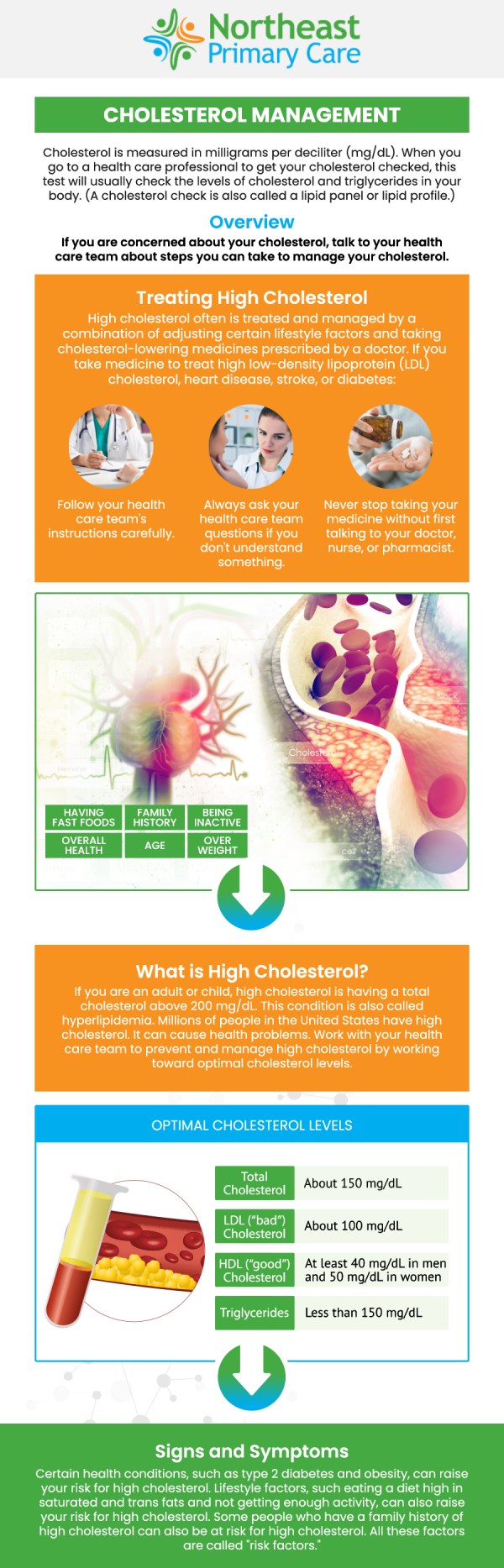
Table of Contents:
When should I see a doctor for high cholesterol?
What lifestyle changes can help lower cholesterol without medication?
How long does it take to lower cholesterol naturally?
Can losing weight help improve cholesterol levels?
Why choose Dr. Nanda D. Ramsaroop for cholesterol management in Melville, NY?
High cholesterol often has no noticeable symptoms, which means many people may not realize they have it until it leads to more serious health issues, such as heart disease or stroke. That’s why our team at Northeast Primary Care encourages you to be proactive about your heart health.
If you have risk factors—such as a family history of high cholesterol or heart disease, high blood pressure, diabetes, obesity, or if you smoke—it’s especially important to schedule regular checkups with your Northeast Primary Care provider. Adults should have their cholesterol levels checked starting at age 20 and continue to get tested every four to six years, or more frequently if you have additional risk factors. Our providers will recommend the screening schedule that’s right for you.
If you’ve already been diagnosed with high cholesterol, Northeast Primary Care is here to help you manage your condition with personalized treatment plans and ongoing monitoring. We work closely with you to help reduce your risk of complications and support a healthier lifestyle.
If you ever experience worrisome symptoms such as chest pain, shortness of breath, or signs of a stroke—like sudden weakness, numbness, or difficulty speaking—seek immediate medical attention. Early detection and management are key, and our dedicated team at Northeast Primary Care is committed to helping you maintain your best possible health.
Schedule your cholesterol consultation with Northeast Primary Care today to take charge of your heart health.
Lifestyle changes can play an important role in lowering cholesterol and supporting heart health. A heart-healthy eating pattern that limits saturated and trans fats while emphasizing vegetables, fruits, whole grains, lean proteins, and foods rich in fiber can help improve cholesterol levels. Replacing saturated fats with healthier unsaturated fats may also help lower LDL cholesterol.
Regular physical activity, maintaining a healthy weight, and avoiding smoking are also important. Exercise can help improve cholesterol levels, while weight management may reduce cardiovascular risk. These changes often work best when they become consistent, long-term habits rather than temporary adjustments.
At Northeast Primary Care, Dr. Nanda D. Ramsaroop and the team can help patients in Melville, NY, understand their cholesterol numbers and develop personalized lifestyle strategies based on their overall health and risk factors. Some people may still need medication despite healthy lifestyle changes, so regular cholesterol monitoring and individualized medical guidance remain important.
At Northeast Primary Care, we understand that many patients are looking for natural ways to improve their cholesterol and overall heart health. The time it takes to lower cholesterol through lifestyle changes can vary based on your starting cholesterol levels, your current health, and how consistently you follow recommended changes. Most people can expect to see noticeable improvements within four to six weeks after adopting healthier habits, though it may take up to three months or more to achieve substantial reductions.
Our team at Northeast Primary Care will work with you to design a personalized plan—including a diet low in saturated fats and high in fruits, vegetables, whole grains, and healthy fats like those found in olive oil and fatty fish. We also encourage increasing physical activity, aiming for at least 30 minutes of moderate exercise most days, and achieving a healthy weight when appropriate. These steps can all contribute to lowering your LDL (“bad”) cholesterol.
It’s important to remember that individual results can vary. Genetics, age, and any underlying health conditions may affect how quickly your cholesterol responds. That’s why we recommend regular follow-up visits and cholesterol checks, usually every three months, as you make these changes. If your cholesterol does not improve enough with natural approaches, our providers may discuss additional strategies, including medication.
At Northeast Primary Care, we’re committed to helping you achieve your health goals. Most patients see significant cholesterol improvements within about three months of consistent effort. We’re here to support you every step of the way.
If you’re ready to start your cholesterol-lowering journey, contact Northeast Primary Care to schedule an appointment today.
At Northeast Primary Care, we understand that managing your cholesterol is an important part of maintaining overall health and preventing heart disease. One of the most effective ways to improve cholesterol levels is by achieving and maintaining a healthy weight.
Excess body weight—especially when carried around the abdomen—is linked to higher levels of low-density lipoprotein (LDL, or “bad” cholesterol) and triglycerides. It can also lower your high-density lipoprotein (HDL, or “good” cholesterol). The good news is that even a modest weight loss of just 5 to 10 percent of your body weight can have a noticeable, positive effect on your cholesterol profile.
Healthy weight loss is often the result of improved eating habits and increased physical activity. Choosing foods lower in saturated and trans fats, and higher in fiber, can further support healthy cholesterol levels. Regular exercise not only helps with weight loss, but also boosts your body’s ability to process and transport cholesterol efficiently.
Everyone’s body is different, and factors such as genetics, age, and other health conditions also influence cholesterol. That’s why our providers at Northeast Primary Care offer personalized guidance and support to help you achieve your health goals. If you have concerns about your cholesterol or weight, schedule an appointment with our team. We are here to help you develop a plan that fits your lifestyle and supports your long-term health.
Dr. Nanda D. Ramsaroop and the team take a comprehensive approach to cholesterol management by reviewing each patient’s cholesterol levels, medical history, lifestyle habits, family history, and cardiovascular risk factors. This personalized evaluation helps determine whether lifestyle changes, ongoing monitoring, medication, or a combination of approaches may be appropriate for supporting healthier cholesterol levels and reducing long-term cardiovascular risk.
At Northeast Primary Care, Dr. Nanda D. Ramsaroop and the team provide ongoing cholesterol management for patients in Melville, NY, with an emphasis on preventive care and individualized follow-up. Our team works closely with patients to monitor progress, encourage heart-healthy habits, and adjust care recommendations when needed to support better cardiovascular and overall health.
Choosing Northeast Primary Care for your cholesterol management means partnering with a team that puts your health first—both today and for the future. Let us help you take charge of your heart health with expertise, compassion, and personalized attention. For more information, contact us or schedule an appointment. We are conveniently located at 150 Broadhollow Rd, Suite 120-A, Melville, NY 11747. We serve patients from Melville NY, Huntington NY, Farmingdale NY, Commack NY, Deer Pack NY, and Lindenhurst NY.

Check Out Our 5 Star Reviews


Additional Services You May Need

Additional Services You May Need
- Annual Physical Exam
- CDL (Commercial Driver License)
- Acute & Chronic Illness
- Covid 19
- EKG
- Healthy Aging
- Immigration Physical Exams
- Primary Care
- Preventive Care
- Diet and Nutrition
- General Care
- Management Of Diabetes
- Medical Clearance
- Pre-Employment Physicals
- Sick Visits
- STD Testing
- Women’s Health
- Drug Testing
- Internal Medicine Doctor
- Vaccines and Flu Shots
- Allergy Testing
- Spirometry


 Send Text
 How May I Help You?