

What Are the Warning Signs of Prediabetes?
Prediabetes often develops without clear warning signs, which means many people may have elevated blood sugar without realizing it. Some individuals may notice increased thirst, frequent urination, fatigue, blurred vision, or other subtle changes as blood sugar levels rise. Understanding personal risk factors, including excess weight, family history of diabetes, and limited physical activity, can help people recognize when further medical evaluation may be appropriate. Dr. Nanda D. Ramsaroop and the team at Northeast Primary Care in Melville, NY, can review symptoms, health history, and individual risk factors while providing personalized guidance for early management. For more information, contact us or schedule an appointment. We are conveniently located at 150 Broadhollow Rd, Suite 120-A, Melville, NY 11747.
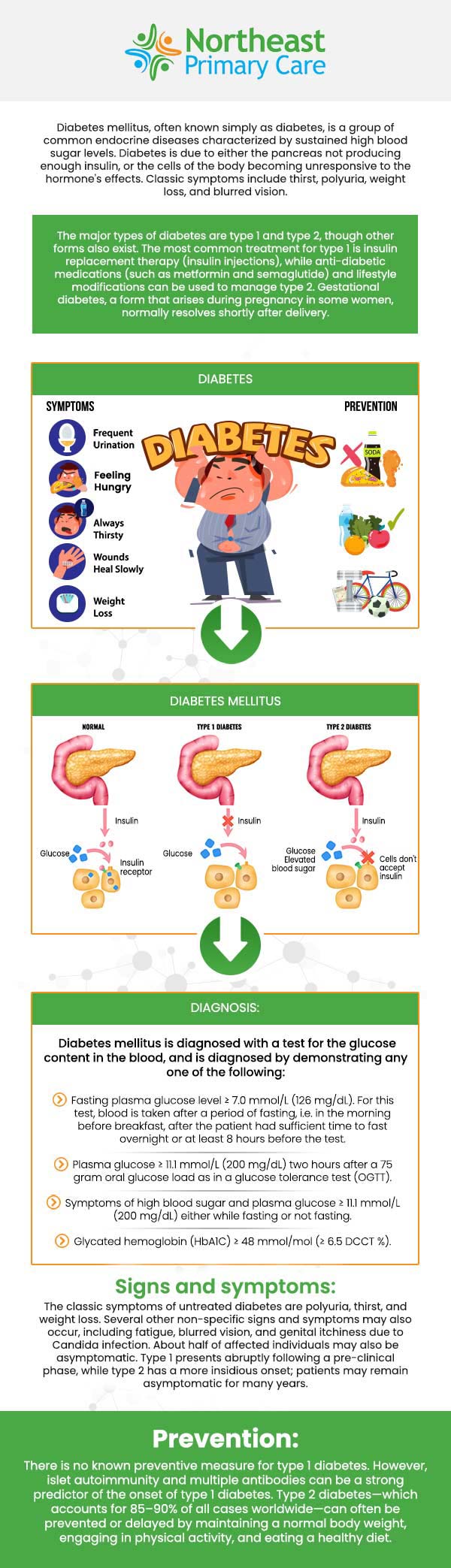
Table of Contents:
What are the most common warning signs of prediabetes?
Does unexplained fatigue sometimes occur with prediabetes?
Who is at higher risk of developing prediabetes?
When should you discuss prediabetes risk with a medical professional?
Can lifestyle changes help prevent prediabetes from progressing to type 2 diabetes?
How Do Dr. Nanda D. Ramsaroop and the Team at Northeast Primary Care Help Identify and Manage Prediabetes Early?
Prediabetes frequently develops without noticeable symptoms, making awareness of possible warning signs and risk factors especially important. Some people may experience increased thirst, frequent urination, unexplained fatigue, blurred vision, or darkened areas of skin, particularly around the neck, armpits, or other skin folds. However, these symptoms are not specific to prediabetes and may occur for many different reasons.
Because symptoms may be mild or absent, understanding your overall health history and risk factors can be helpful. Factors such as excess weight, a family history of diabetes, limited physical activity, high blood pressure, or abnormal cholesterol levels may increase the likelihood of developing prediabetes.
At Northeast Primary Care, our team can discuss your symptoms, medical history, lifestyle, and individual risk factors and provide guidance on appropriate next steps. If you are concerned about prediabetes or your long-term metabolic health, Dr. Nanda D. Ramsaroop and the team can help you understand ways to support healthier blood sugar management.
Unexplained fatigue may sometimes occur in people with elevated blood sugar, although fatigue alone does not indicate prediabetes. When the body becomes less responsive to insulin, glucose may not be used as efficiently for energy, which may contribute to feelings of tiredness or low energy.
Fatigue can also have many other causes, including poor sleep, stress, anemia, thyroid concerns, medication effects, and other medical conditions. For this reason, persistent fatigue should be considered alongside other symptoms, health history, and individual risk factors rather than being viewed as a definite sign of prediabetes.
If you are experiencing ongoing fatigue, especially along with increased thirst, frequent urination, or blurred vision, Dr. Nanda D. Ramsaroop and the team at Northeast Primary Care can review your concerns and overall health history. Our team can help determine appropriate next steps and provide personalized recommendations for supporting your general health.
Several genetic, lifestyle, and medical factors may increase a person’s likelihood of developing prediabetes. Carrying excess weight, particularly around the abdomen, having a parent or sibling with type 2 diabetes, and becoming less physically active can contribute to greater risk. Risk also generally increases with age.
A history of gestational diabetes or polycystic ovary syndrome may also increase the likelihood of developing prediabetes. Certain racial and ethnic populations have statistically higher rates of type 2 diabetes and related metabolic conditions, although individual risk varies and should be considered in the context of overall health.
Other health concerns associated with a higher risk include high blood pressure, abnormal cholesterol or triglyceride levels, cardiovascular disease, and obstructive sleep apnea. Having one or more risk factors does not necessarily mean that someone has prediabetes.
At Northeast Primary Care, Dr. Nanda D. Ramsaroop and the team can help patients understand their individual risk factors and discuss practical strategies for supporting metabolic and cardiovascular health. Our team focuses on personalized guidance based on each patient’s medical history, lifestyle, and long-term wellness goals.
Prediabetes often develops without noticeable symptoms, so it may be helpful to discuss your risk with a medical professional if you have factors associated with elevated blood sugar or type 2 diabetes. These may include excess weight, a family history of diabetes, limited physical activity, high blood pressure, abnormal cholesterol levels, or a history of cardiovascular disease.
People who have experienced gestational diabetes or who have polycystic ovary syndrome may also benefit from discussing their metabolic health and individual risk factors with their healthcare team.
Possible symptoms such as increased thirst, frequent urination, unexplained fatigue, or blurred vision should also be discussed with a medical professional, particularly when they are new, persistent, or worsening. These symptoms can have many causes and should not be assumed to indicate prediabetes.
At Northeast Primary Care, Dr. Nanda D. Ramsaroop and the team can review your concerns, medical history, and personal risk factors and provide individualized guidance regarding appropriate next steps. Our goal is to help patients make informed decisions about preventive health and long-term wellness.
Lifestyle changes can play an important role in lowering the risk of prediabetes progressing to type 2 diabetes. Improving nutrition, increasing physical activity, maintaining a healthy weight, getting adequate sleep, and avoiding tobacco can support healthier blood sugar regulation and overall cardiovascular health.
Helpful lifestyle strategies may include:
• Working Toward a Healthy Weight: Even modest weight reduction may improve insulin sensitivity for people who are overweight.
• Staying Physically Active: Regular movement, such as walking or other moderate exercise, can help the body use insulin more effectively.
• Choosing Balanced Meals: Vegetables, fruits, whole grains, lean proteins, healthy fats, and fiber-rich foods can support metabolic health.
• Limiting Added Sugars and Highly Processed Foods: Reducing sugary beverages, refined carbohydrates, and heavily processed foods may help support healthier eating patterns.
• Managing Stress and Sleep: Consistent sleep and healthy stress-management habits can support overall metabolic wellness.
• Avoiding Tobacco: Stopping smoking can reduce cardiovascular risk and provide broader health benefits.
Lifestyle recommendations should be personalized because each person’s health history, medications, physical abilities, and nutritional needs are different. Sustainable changes are often more beneficial than restrictive or short-term approaches.
Dr. Nanda D. Ramsaroop and the team at Northeast Primary Care can help patients understand how lifestyle factors relate to prediabetes risk and develop practical strategies that fit their individual health needs. Our team can also provide ongoing guidance as health goals and circumstances change.
Dr. Nanda D. Ramsaroop and the team at Northeast Primary Care help patients recognize possible prediabetes concerns by reviewing symptoms, medical and family history, lifestyle habits, existing health information, and known risk factors. Because prediabetes may develop without obvious symptoms, understanding these factors can help patients have informed conversations about their metabolic health and determine appropriate next steps.
When prediabetes has already been identified or there is concern about increased risk, Dr. Nanda D. Ramsaroop and the team can provide personalized guidance focused on nutrition, physical activity, weight management when appropriate, cardiovascular risk reduction, and healthy daily habits. Our team at Northeast Primary Care works with patients to support long-term wellness and help reduce the likelihood of progression toward type 2 diabetes. For more information, contact us or schedule an appointment. We are conveniently located at 150 Broadhollow Rd, Suite 120-A, Melville, NY 11747. We serve patients from Melville NY, Huntington NY, Farmingdale NY, Commack NY, Deer Pack NY, and Lindenhurst NY.

Check Out Our 5 Star Reviews


Additional Services You May Need

Additional Services You May Need
- Annual Physical Exam
- CDL (Commercial Driver License)
- Acute & Chronic Illness
- Covid 19
- EKG
- Healthy Aging
- Immigration Physical Exams
- Primary Care
- Preventive Care
- Diet and Nutrition
- General Care
- Management Of Diabetes
- Medical Clearance
- Pre-Employment Physicals
- Sick Visits
- STD Testing
- Women’s Health
- Drug Testing
- Internal Medicine Doctor
- Vaccines and Flu Shots
- Allergy Testing
- Spirometry


 Send Text
 How May I Help You?